.
.

Top Yacht Design Profiles: Dutch Design

  • .

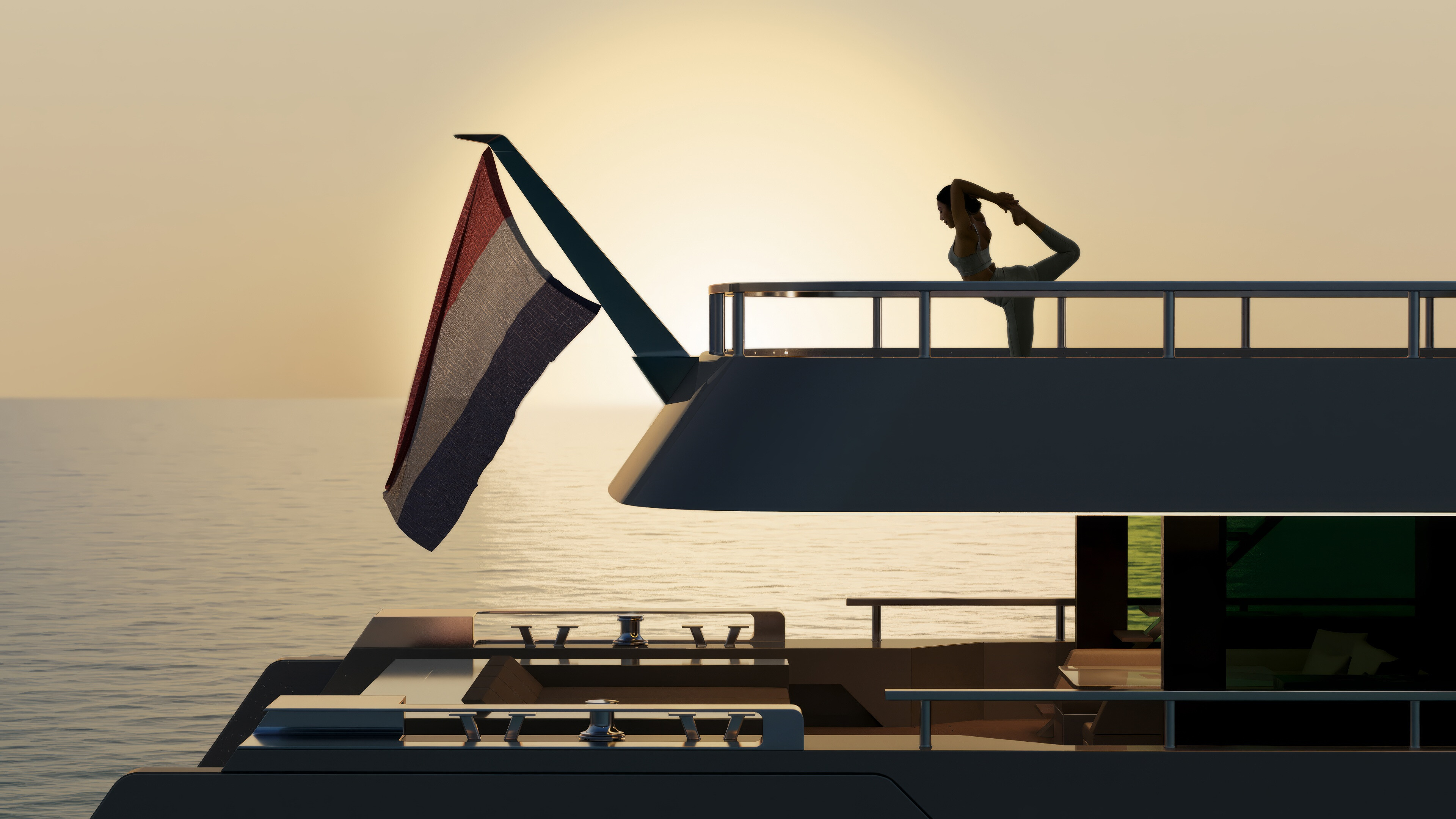
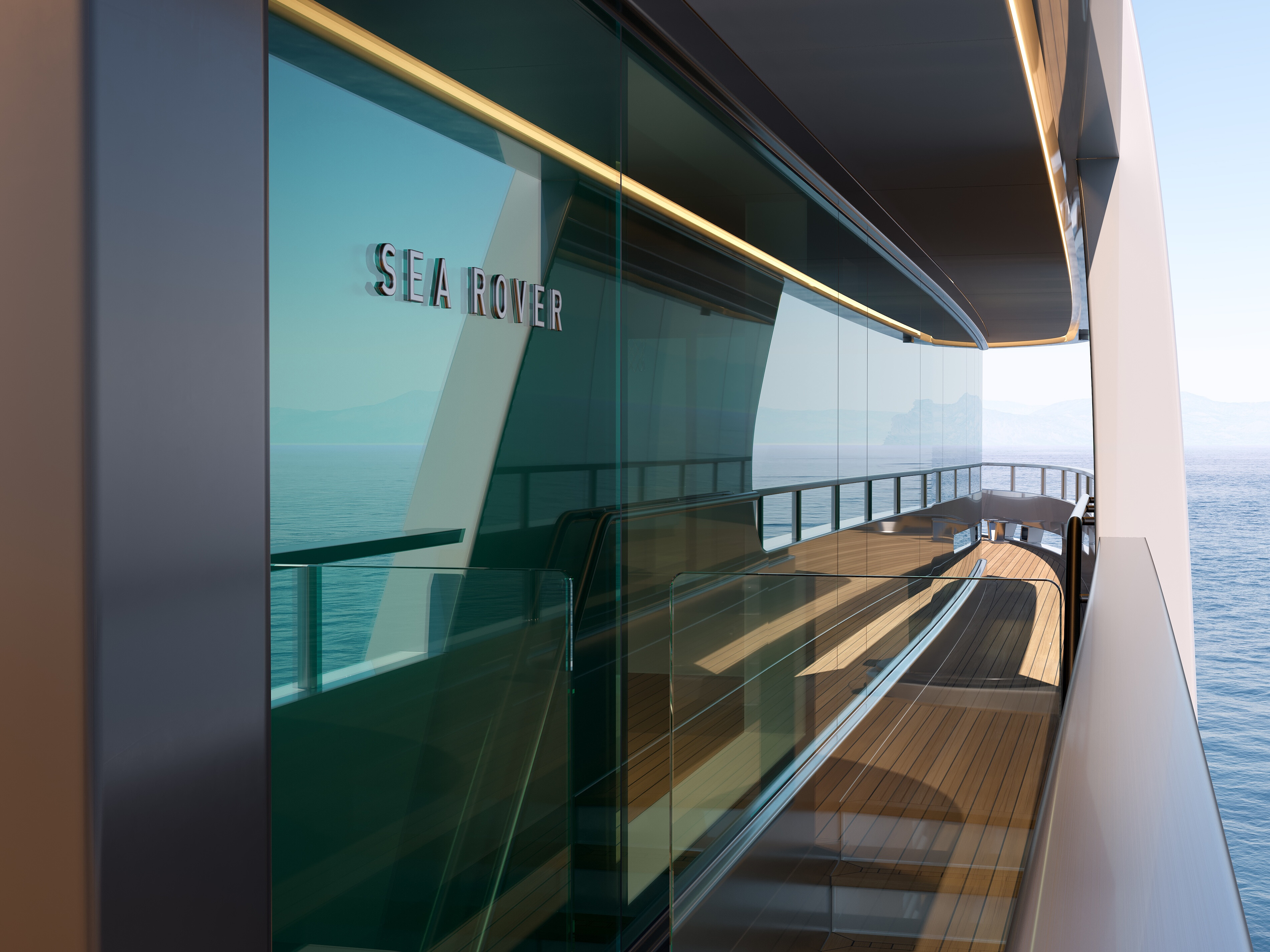
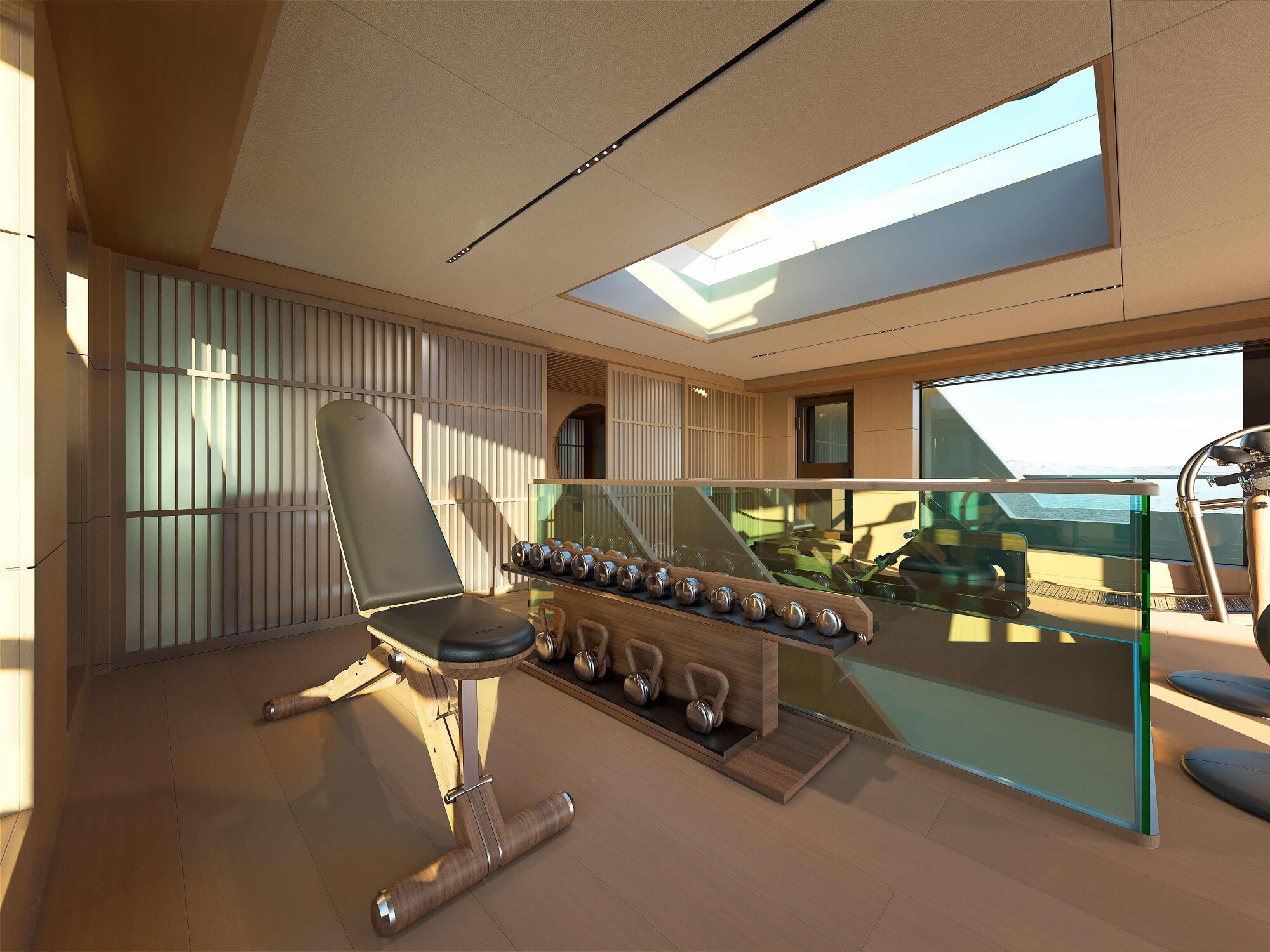
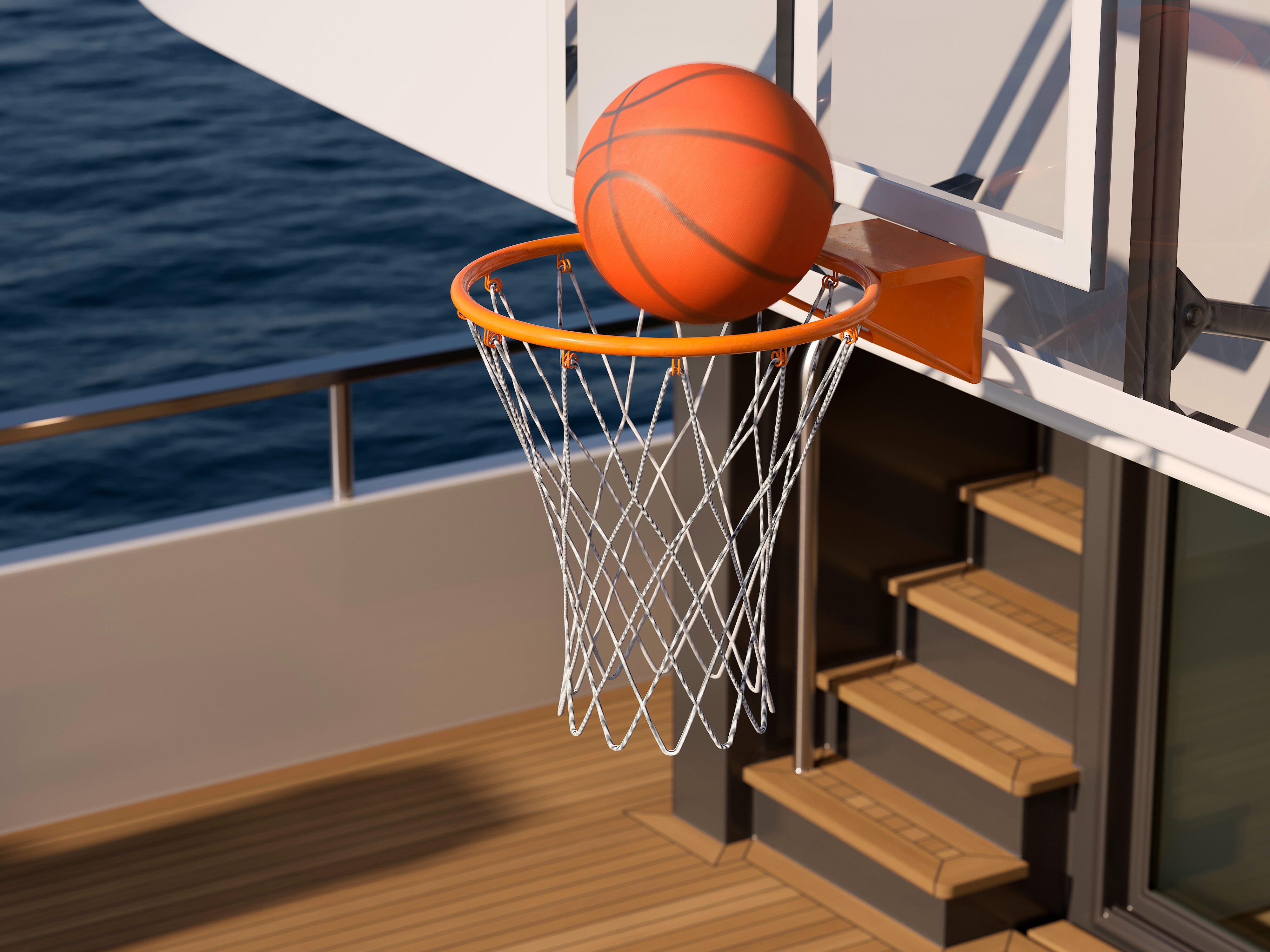
Dutch Design is an Amsterdam-based marine innovation studio founded by seasoned yachtsman and serial entrepreneur Scott Blum. Working from a historic canal house reimagined around Japanese minimalism, the studio pairs Blum’s vision with the craft of award-winning Dutch naval designer Bernd Weel to rethink what life at sea can be. Its inaugural project, Sea Rover, is a 42.5-metre (140-foot) vessel billed as the world’s only “wellness-first” yacht. Unable to find a boat that matched his desire for a healthy, active lifestyle, Blum set out to build one, placing the spa, gym and sports court on the light-filled bridge deck rather than hidden below. Conceived as a limited series of just ten vessels and built in steel and aluminium, Sea Rover is scheduled for delivery in 2028. In the interview that follows, Blum reflects on the philosophy, the process and the choices behind a design intended to feel timeless for decades. We interviewed them.

.

Dutch Design was born out of Scott Blum’s intuition: the yacht he envisaged simply did not exist. How does one work on such a personal and visionary brief?

Sea Rover was born from my own experience as a yacht owner. I spent years looking for a yacht that reflected the way I wanted to spend time on the water, but I couldn’t find one. The focus was often on entertaining, whereas I was looking for something that supported wellness and everyday living. Rather than compromising, I decided to create it myself. Because the concept came from a genuine personal need, every decision throughout the design process was guided by one principle – if it didn’t improve the owner’s experience, it didn’t belong on Sea Rover.

The headquarters in a historic canal house in Amsterdam is a very deliberate choice. How important is the physical environment in which one works to the quality of the design produced?

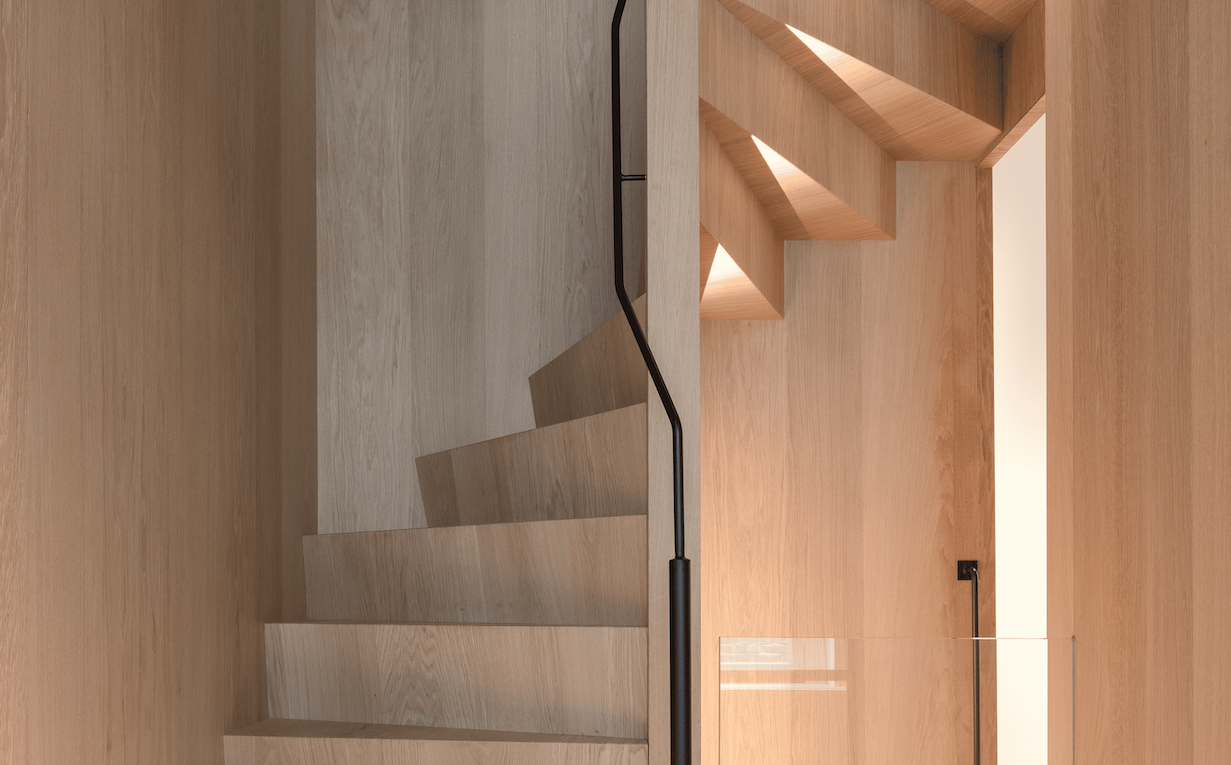
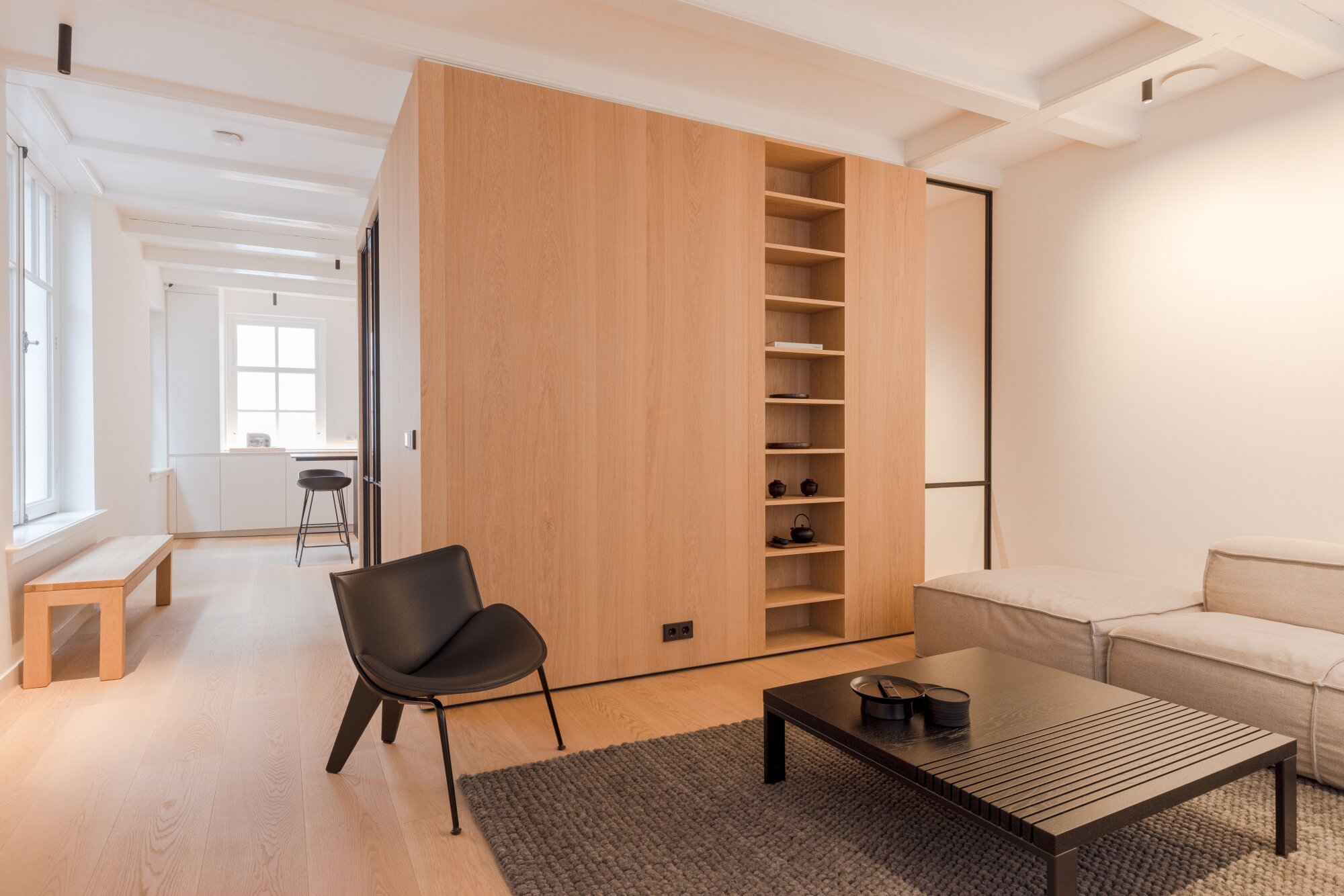
The environment shapes the way people think. Our canal house is intentionally understated, with natural materials and light. It reflects many of the same principles behind Sea Rover. When clients visit, they immediately understand the design language because they’re experiencing it firsthand. I believe great design happens in spaces that encourage focus and careful thinking rather than distraction.

.

Dutch Design describes itself as a “marine innovation studio.” Where does the line between innovation and risk lie in a sector as regulated and traditional as the marine industry?

Innovation doesn’t mean ignoring proven principles, it means questioning assumptions while respecting everything that exists for safety and performance. We challenged traditional yacht layouts, introduced new wellness concepts, and rethought how owners move through the vessel, but we never compromised engineering or practicality. The best innovation solves real problems rather than introducing change for its own sake.

Dutch Design has an extremely diverse team: naval architects, designers and project managers. How do you manage the creative process in such cases? Who has the final say?

The best ideas come from collaboration. Everyone around the table brings a different perspective, whether it’s engineering, design, or operational experience. We spent years refining Sea Rover because we constantly challenged one another. Ultimately, every decision comes back to the original vision, so as a founder, I am responsible for ensuring each choice supports it while drawing on the expertise of an exceptional team.

.

The name “Dutch Design” evokes a specific design tradition. Which designers or studios do you consider to be authentic points of reference in your work?

I’m inspired less by individual designers and more by a philosophy. Dutch Design has always balanced simplicity and innovation in a way that feels timeless rather than fashionable. Beyond the marine industry, I admire brands that create products with lasting value through craftsmanship and restraint. We wanted Sea Rover to feel contemporary decades from now, not simply reflective of current trends.

Is there a project—not necessarily one of your own—that you consider a perfect example of successful design? Why?

For me, successful design is when every element has a purpose and nothing feels unnecessary. Whether it’s architecture, automotive design or furniture, I admire projects where form and function are completely integrated. The best designs often feel inevitable, as though there was never another way they could have been created. That’s always been our ambition with Sea Rover.

The luxury yacht market is highly competitive. What truly distinguishes a good nautical design from one that is simply expensive?

Price alone doesn’t create quality and exceptional design improves the owner’s experience every single day through thoughtful planning. Luxury should be felt in how naturally a space works and how well it stands the test of time. That’s very different from adding more materials or features.

.

How do you balance aesthetics and functionality in your creative process? When they conflict, which takes precedence?

The two should never be separated and the best design solutions achieve both. Throughout Sea Rover’s development, we spent years refining layouts until they delivered the technicality we wanted without sacrificing beauty. If something looks impressive but doesn’t improve the owner’s experience, it isn’t good design. Likewise, functionality should never come at the expense of creating spaces people genuinely enjoy spending time in.

“Mindfulness and longevity” are the cornerstones of Sea Rover. How do these translate in practical terms into choices of materials, layout and details?

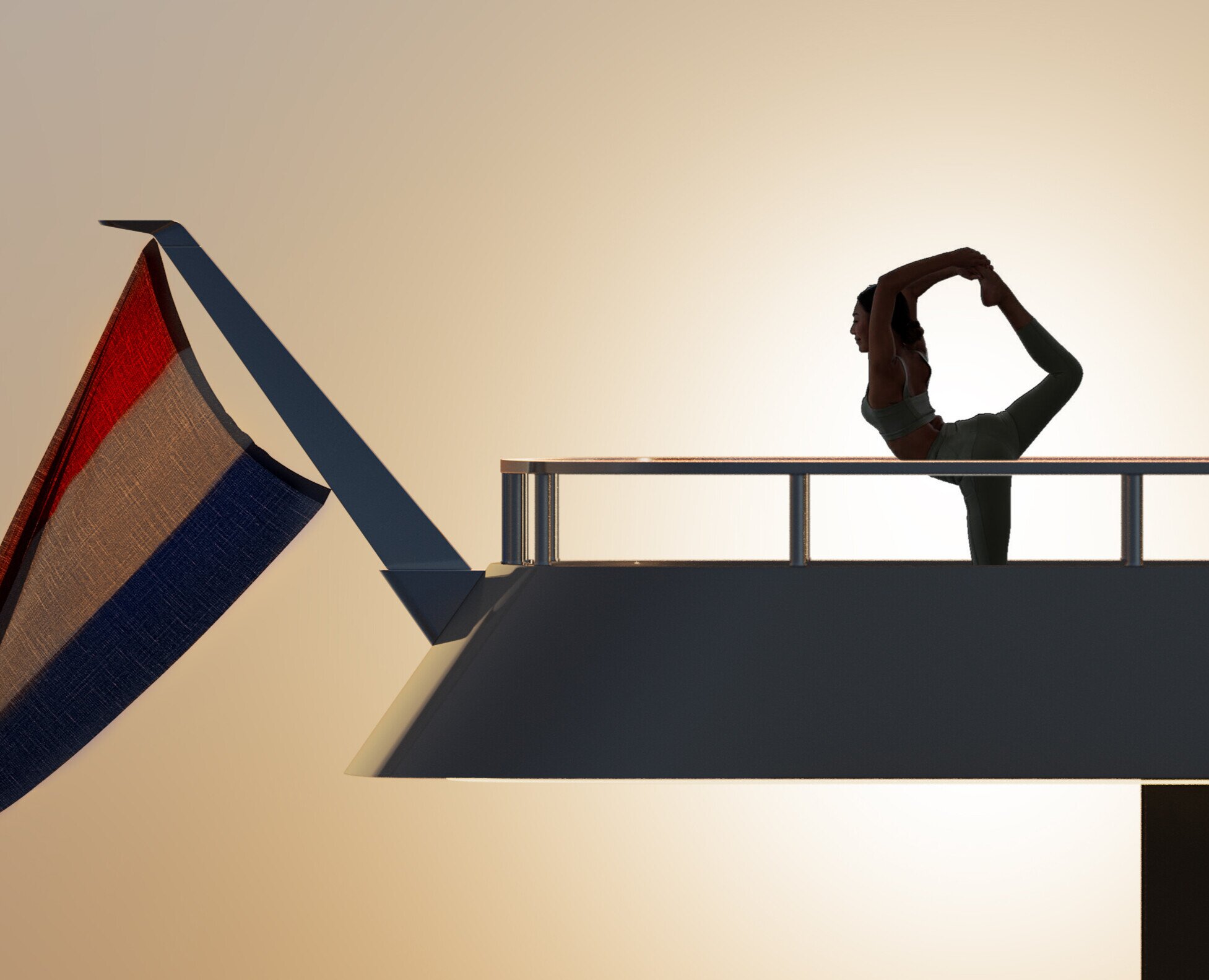
Sea Rover encourages movement and daily wellness, with the spa, gym and outdoor spaces positioned where they’ll naturally be used. We selected calming colours and natural materials to create an environment that feels restorative rather than overwhelming. Even small details were considered through the lens of how they contribute to comfort and long-term enjoyment.

Integrating a sauna, hot/ice tub and yoga spaces into a yacht is a considerable challenge. What were the most difficult compromises?

The biggest challenge was ensuring the amenities felt fully integrated rather than added on. We were committed to giving wellness the same importance traditionally given to entertaining spaces, which meant rethinking the entire layout. That required years of engineering and refinement, but we didn’t want to compromise the experience. If something couldn’t function exactly as intended, we continued refining until it could.
The canal house in Amsterdam reflects Sea Rover’s aesthetic. How important is it for a studio to maintain consistency between its own spaces and the products it designs?

We wanted our headquarters to feel like an extension of Sea Rover rather than a place where people simply come to view a project. The canal house reflects the same calm, intentional atmosphere we’ve created on board. When people spend time there, they begin to understand our design philosophy and the way we think about living on the water before they ever step onto the yacht.

Which materials did you choose for Sea Rover and why? Is there anything you ruled out from the outset?

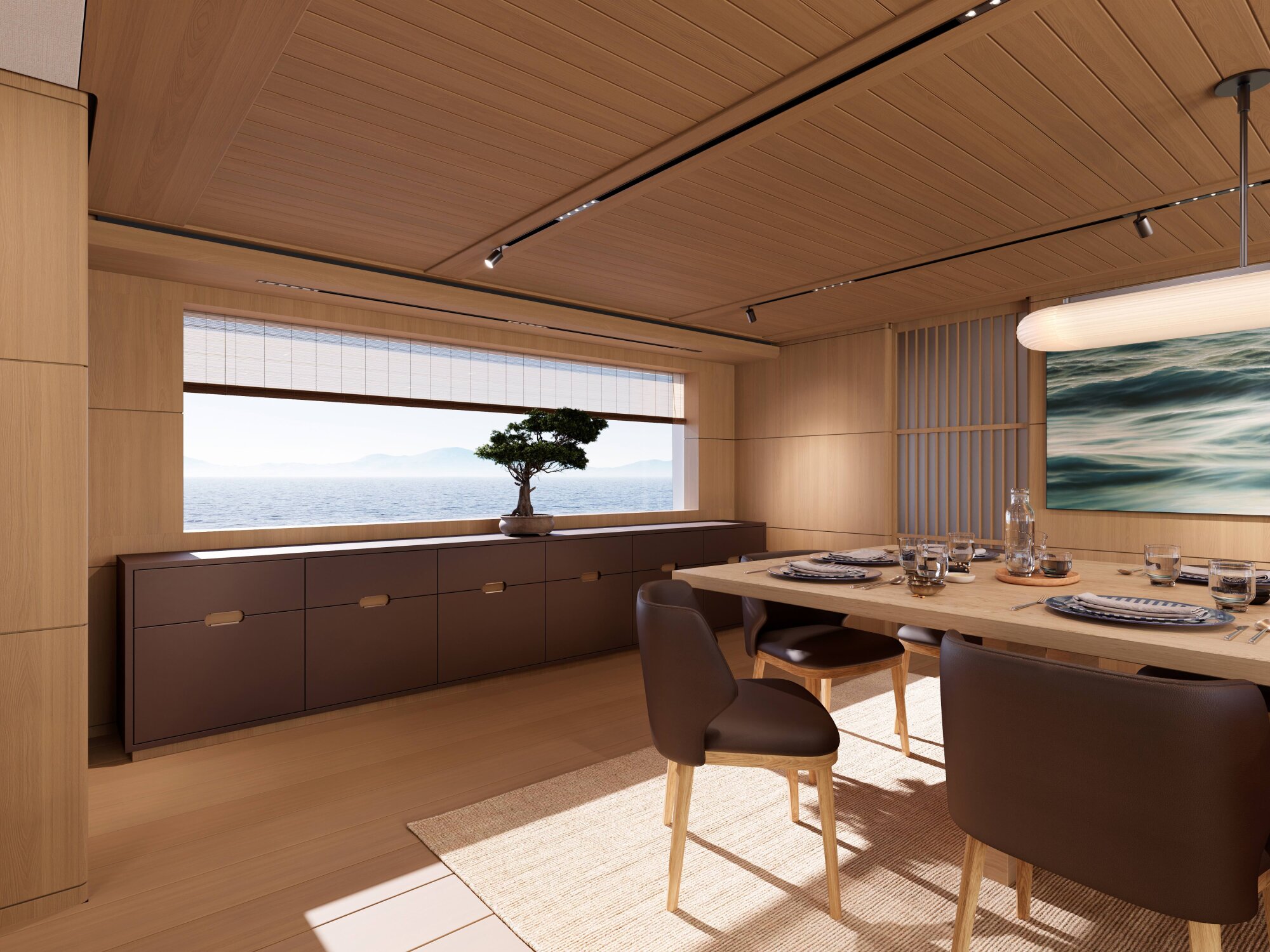
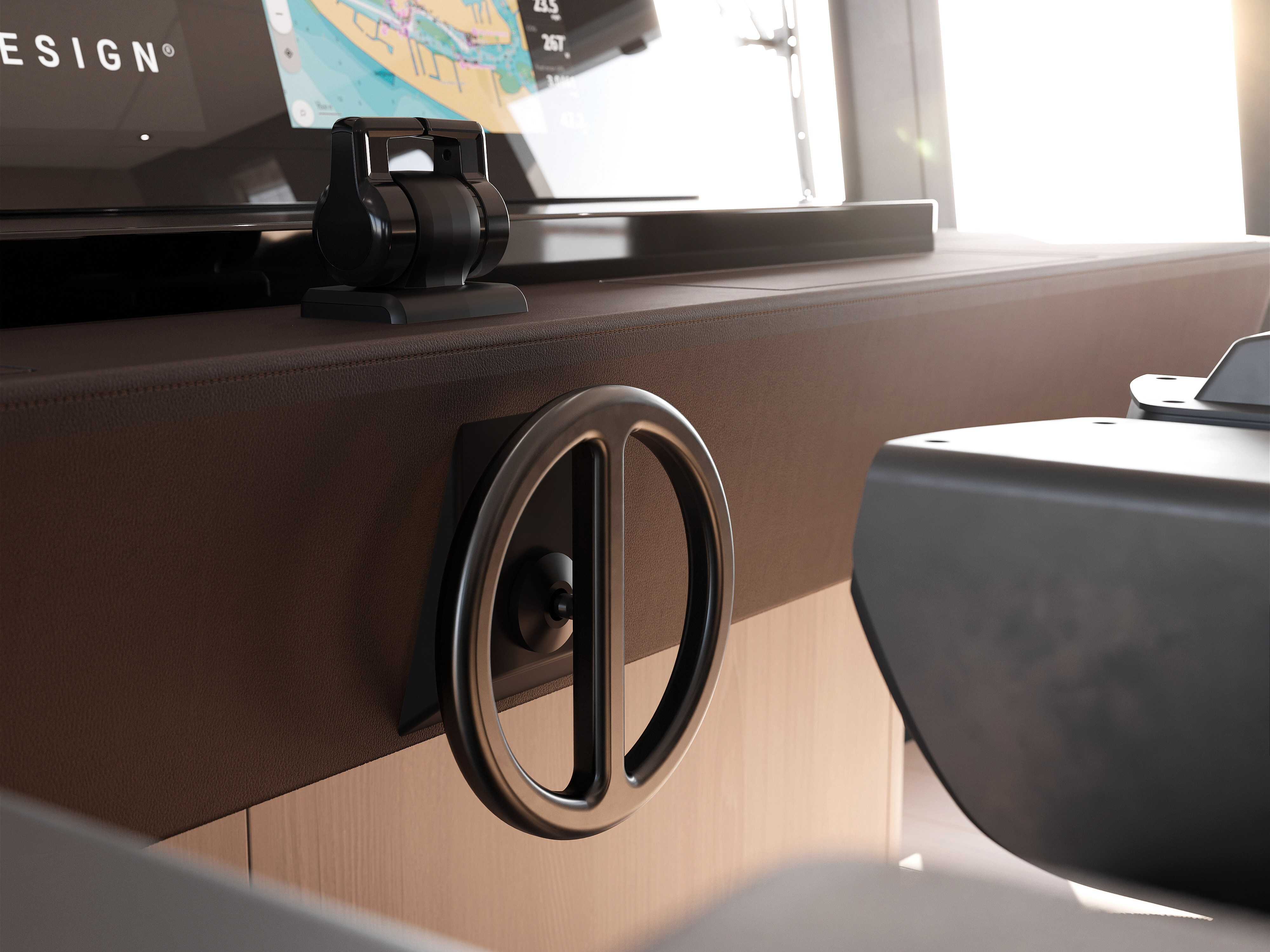
We were drawn to natural oak materials with warmth and longevity rather than finishes that feel luxurious at first glance. Every material needed to contribute to a restorative atmosphere while also performing in a marine environment. We intentionally avoided anything overly decorative or trend-driven to ensure Sea Rover feels timeless for decades.

Contact

Estel Arapoglou
estel@shaminabas.com
+1-561-676-3173